
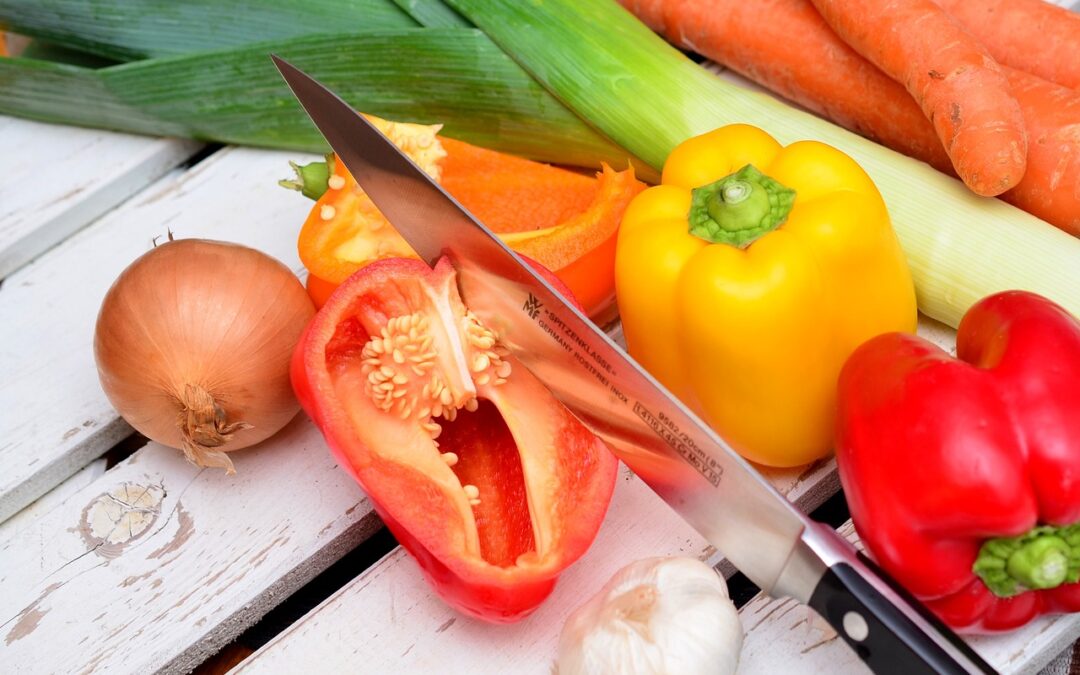
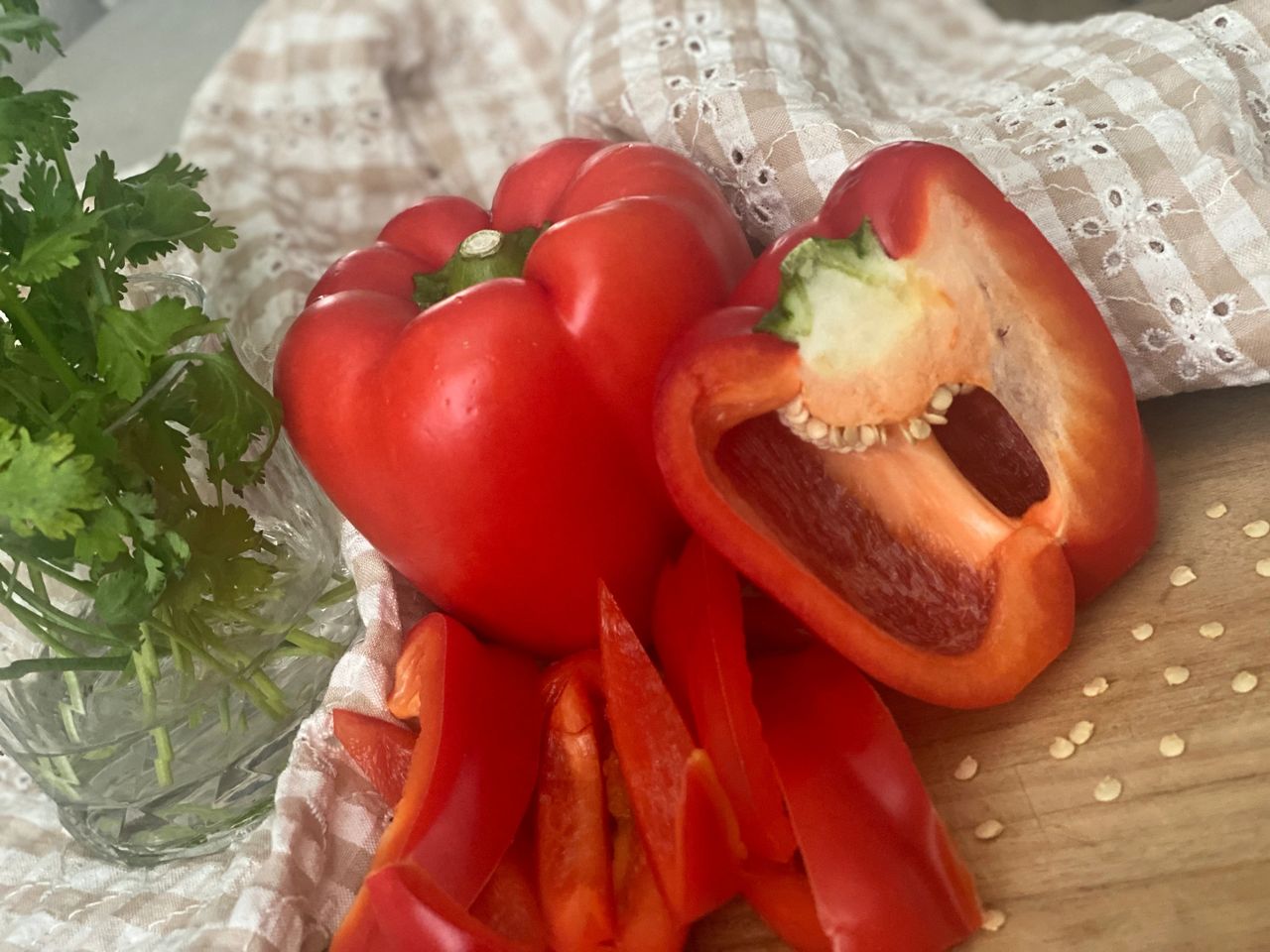
The range of health benefits and uses for bell peppers seems endless. In today’s article, Danielle Puno, Nutrition Consultant and Founder, dives into the details about what makes a bell pepper so special and what health benefits you can gain by regularly incorporating them into your diet.
If you’re a botanist, you would classify bell peppers as fruits because they possess a seed-bearing structure that develops from the ovary at the base of a flower. On the other hand, chefs often consider them vegetables due to their less sweet taste (because of their lower sugar content) and common culinary uses. This dual classification is just the beginning of the versatility of bell peppers.
Scientifically known as Capsicum annuum, bell peppers are part of the Solanaceae (nightshade) family, which also includes tomatoes, eggplants, and potatoes. They are also referred to as sweet peppers or capsicum frutescens grossum. Unlike hot peppers, bell peppers are typically larger and non-spicy since they are low in capsaicin.
Benefits of eating bell peppers
Bell peppers are widely regarded as one of the most nutrient-dense foods available. They are loaded with essential vitamins, including A, B1, B6, B9, C, and K, alongside beneficial compounds like beta-carotene, calcium, carotenoids, lycopene, potassium, and several phytochemicals such as chlorogenic acid, coumaric acid, and zeaxanthin. Interestingly, the inner ribs of bell peppers also provide valuable bioflavonoids.
In fact, a red bell pepper’s effect on the onset of the flu was what sparked my curiosity about exploring nutrition and our body’s intuition about food. Because of that red bell pepper, Intuitive Health Holistic Nutrition exists today!
How do you know when a bell pepper is ripe?
When it comes to ripeness, bell peppers start out green and are not fully mature at this stage due to insufficient sugar development. Those that don’t meet the market’s aesthetic standards are often cut up for further use. When you see a bell pepper that is part red, part green, keep in mind it may have been picked before it was ripe!
Why are red bell peppers so expensive?
If you are wondering about prices of bell peppers at the grocery store, keep in mind that since bell peppers are sensitive to factors like sudden heavy rains, sharp temperature drops, and strong winds, red bell peppers are often more expensive to cultivate because they need more time on the vine to change from green to red.
Farmers play a crucial role in monitoring for fungal growth and insect invasions, as even minor damage can lead to mold and bacteria, resulting in spoilage. The transformation from green to red takes about three to four weeks, and other varieties, such as yellow and orange bell peppers, are engineered to ripen at those specific colors.
Colorful bell peppers bring diverse health benefits
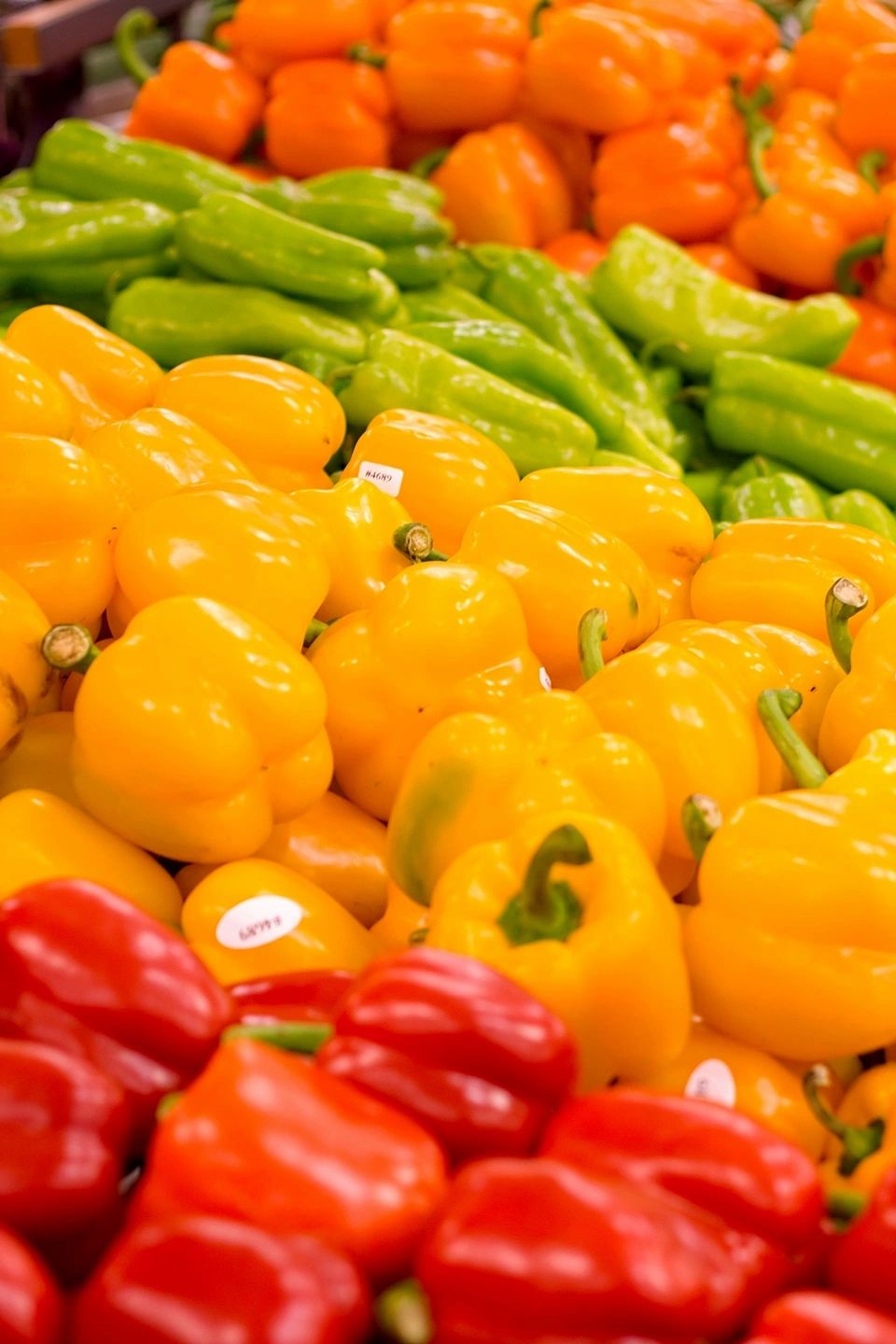
Red, orange, and yellow bell peppers are rich in beta-carotene, which converts to vitamin A in our bodies and is linked to a reduced risk of cataract surgery due to their antioxidant properties. Additionally, they contain flavonoids, vitamin C, and limited amounts of capsaicin.
These compounds contribute to preventing blood clot formation and potentially lowering the risk of heart attacks and strokes. The capsaicin content in bell peppers may also help reduce blood cholesterol and triglyceride levels.
Stir-frying and roasting bell peppers preserves their nutrient more than steaming, while boiling them loses nutrients in the water. However, if you are consuming the liquid you boiled the bell peppers in, like chicken soup, for example, you will still get all their nutritious benefits.
How to select the best bell peppers and store them for consumption
Bell peppers are widely available year-round in the United States. When selecting bell peppers, aim for ones that are fresh, firm, and vibrant in color, feeling heavy for their size. It’s best to avoid those that appear dry, wrinkly, bruised, or show signs of decay. Opting for organic bell peppers is advisable, as they are often subjected to multiple pesticide treatments, which often penetrate the entire fruit.
In addition to their health benefits, bell peppers are incredibly versatile. They can be enjoyed fresh, frozen, or canned, making them a convenient source of nutrition. When choosing fresh peppers, look for firmness, bright colors, and a substantial weight for their size, while avoiding dull, shriveled, or pitted options. Store them unwashed in the crisper drawer of your refrigerator for up to a week or freeze them whole to retain their flavor and nutritional integrity. Wash them thoroughly before slicing and dicing them into your favorite dish!
Where do bell peppers come from?
Cultivated for at least 9,000 years, bell peppers are native to Central and South America and have spread globally through Spanish and Portuguese colonization. The colors of the bell peppers depend on their variety. Some red bell peppers are simply green bell peppers that have ripened on the vine. Green bell peppers are mature, though not considered ripe as their sugars haven’t fully developed. Yellow, orange, and other varieties of red bell peppers are bred to ripen at those colors. There are even white and purple bell peppers! Pimento and paprika are two popular spices derived from red bell peppers.
How to incorporate them into your diet
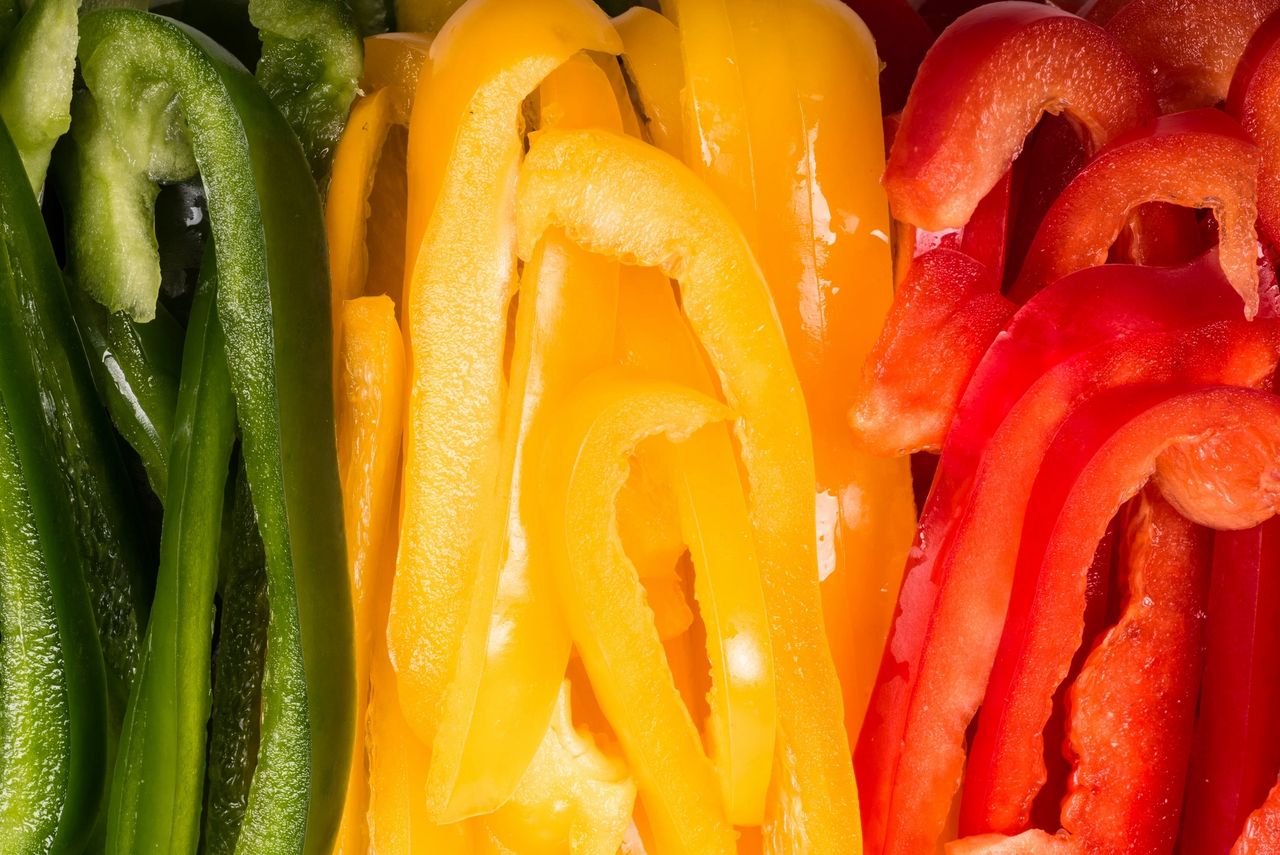
Ultimately, bell peppers offer endless culinary possibilities. They can be sliced for dips, chopped for egg scrambles or soups, or diced to enhance salads, making them a delicious and nutritious addition to any meal. They can be roasted, grilled or sauteed as a side for protein.
Special Considerations
Bell peppers contain low-to-moderate amounts of oxalates*, so they should be avoided if you have a history of oxalate-containing kidney stones.
Some reports link bell peppers (among other foods in the nightshade family) with exacerbating arthritic conditions. Anecdotal studies show that arthritic symptoms have improved when limiting or removing these foods from the diet. Alternatively, capsaicin has been found to help alleviate symptoms of arthritis (Srinivasan). (The hotter the pepper, the higher the capsaicin content).
Between their versatility of use and their variety of health benefits, bell peppers are a great addition for anyone looking to boost their vegetable and fruit servings in an easy, delicious way! Readily available at your local grocery store, make them a staple on your shopping list to enjoy raw or cooked.
Resources
“BELL PEPPER | How Does It Grow?” TruFood TV, YouTube, 16 Oct. 2017, https://www.youtube.com/watch?v=SwF7BGZkNQw.
Emery, Carla. The Encyclopedia of Country Living: The Original Manual for Living Off the Land and Doing It Yourself. 1994.
Fallon, Sally, and Mary G. Enig. Nourishing Traditions. New Trends Publishing, 2001.
How Food Works: The Facts Visually Explained. Penguin Random House, 2021.
Murray, Michael T., et al. The Encyclopedia of Healing Foods. Simon and Schuster, 2005.
Wei M.D., J.D., Marlynn. “Raw or Cooked? How Best to Eat 11 Fruits and Vegetables Psychology Today.” Psychology Today, 3 Oct. 2015, Wei M.D., J.D., Marlynn. “Raw or Cooked? How Best to Eat 11 Fruits and Vegetables | Psychology Today.” Psychology Today, 3 Oct. 2015, https://www.psychologytoday.com/us/blog/urban-survival/201510/raw-or-cooked-how-best-eat-11-fruits-and-vegetables.