
Lately, I’ve been on the receiving end of a lot of comments about being “done with the winter.” Of course, that all depends on where you live, whether you prefer the hot or cold, and even other circumstances currently surrounding your life.
Nevertheless, in a large part of North America, this time of year is quite conducive to “cozying up,” which in my world translates to, ‘curl up on the couch, in cloud-like sweats, under a fluffy blanket, with a hot cup of some nourishing beverage.’
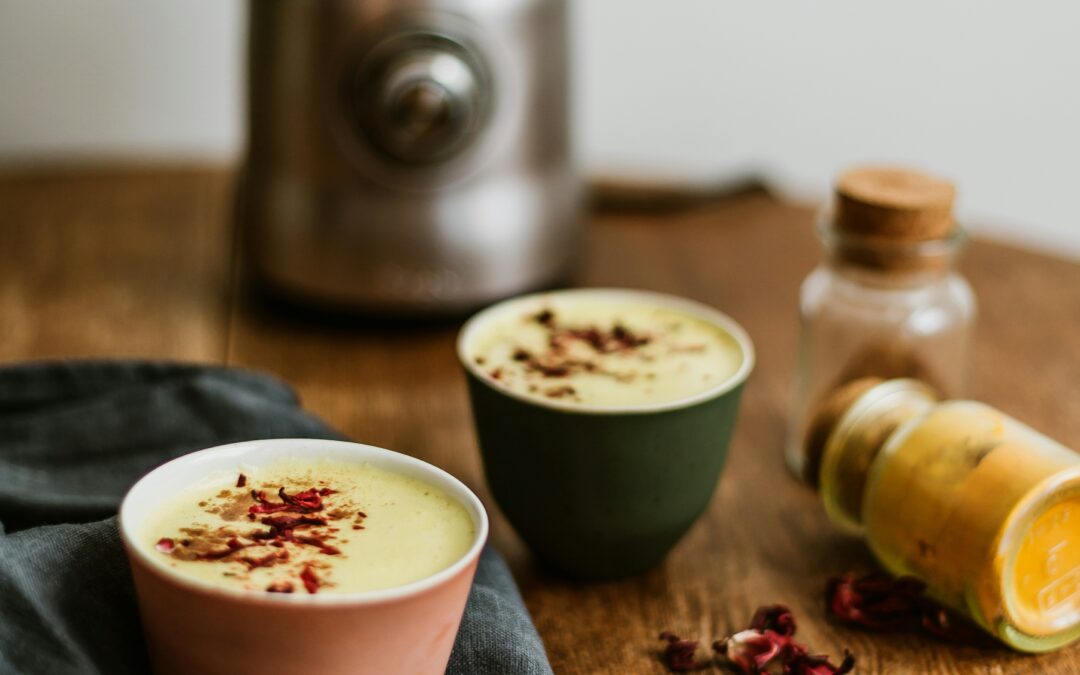
Well, I have the perfect cure for the winter chill. Grab your favorite mug and get ready to fill it with some Creamy Coconut Golden Milk!
This recipe was conceived one evening when I was craving a cup of warm Golden Milk (also known as Turmeric Milk or Haldih Doodh). Unfortunately, regular milk was no where to be found in our fridge! Coconut milk, however, came to the rescue. In substituting with coconut milk, I discovered a new way to enjoy one of my favorite cold weather beverages.
I’m excited to share that with you here, but aren’t you curious about the health benefits of Turmeric Milk or in this case Creamy Coconut Golden Milk? If so, keep reading after the recipe!
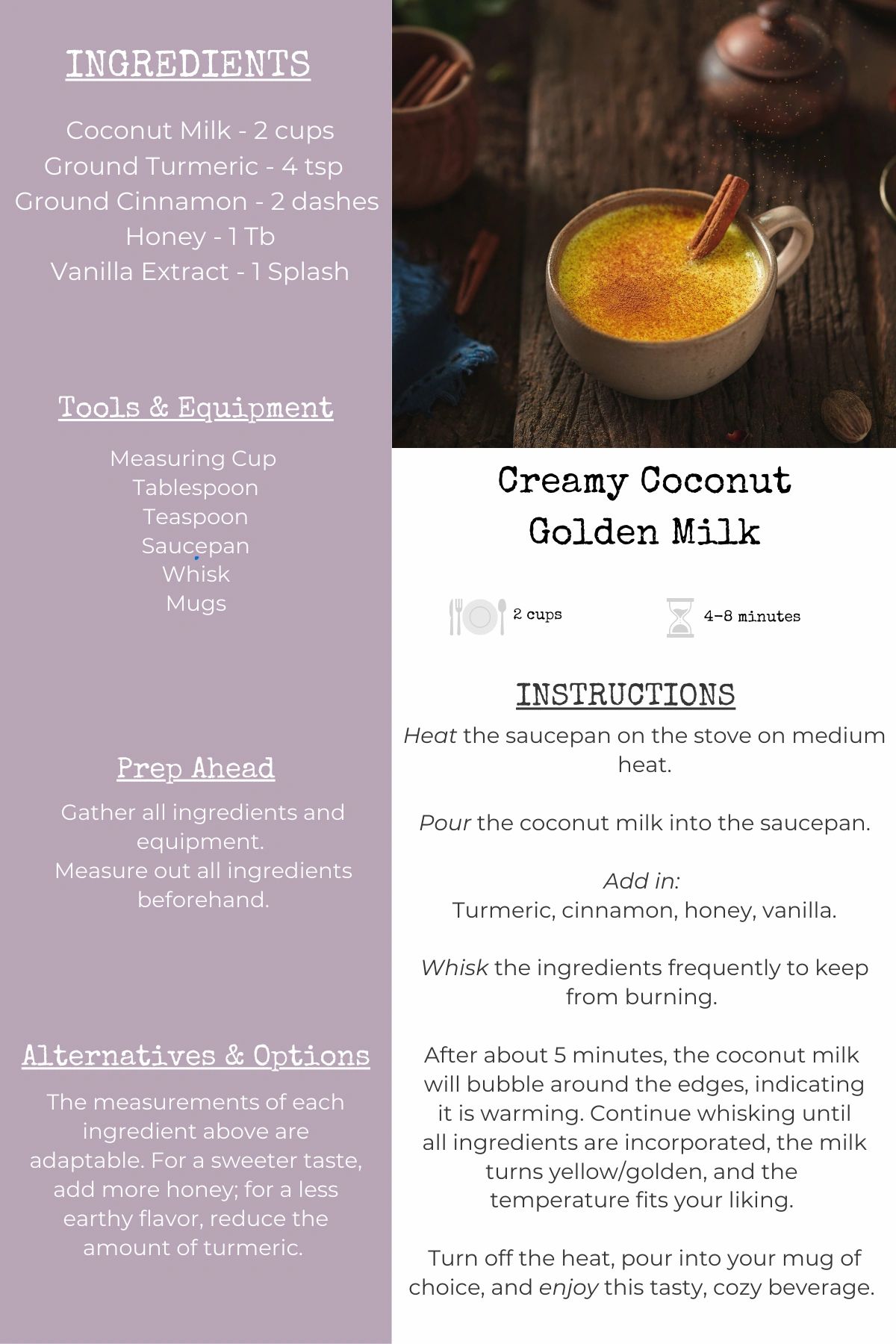
Download the full recipe as a PNG file or PDF file.
Haldih Doodh (Also known as Turmeric Milk or Golden Milk)
Haldi Doodh, translated from Hindi to English as Turmeric Milk, is a traditional Indian beverage known for its anti-inflammatory, immune boosting, and pain-relieving properties.
Traditionally prepared using cow’s milk, turmeric, root, and black pepper, Turmeric Milk has evolved and gained popularity in the modern health and wellness world.
Now commonly known as Golden Milk, due to the golden hue the turmeric provides, this beverage has a host of health benefits: anti-inflammatory, antioxidant, antifungal, and antiviral. Who wouldn’t want these types of health benefits, especially during cold and flu season?!
Health Benefits of Curcumin
Curcumin, a yellow pigment and an active ingredient of turmeric, is a phytochemical known to manage oxidative stress, which occurs when the body has too many free radicals and not enough antioxidants. Curcumin in turmeric can also relieve inflammatory conditions and help mitigate some symptoms caused by metabolic syndrome, arthritis, anxiety, cancer, various neurodegenerative diseases, and
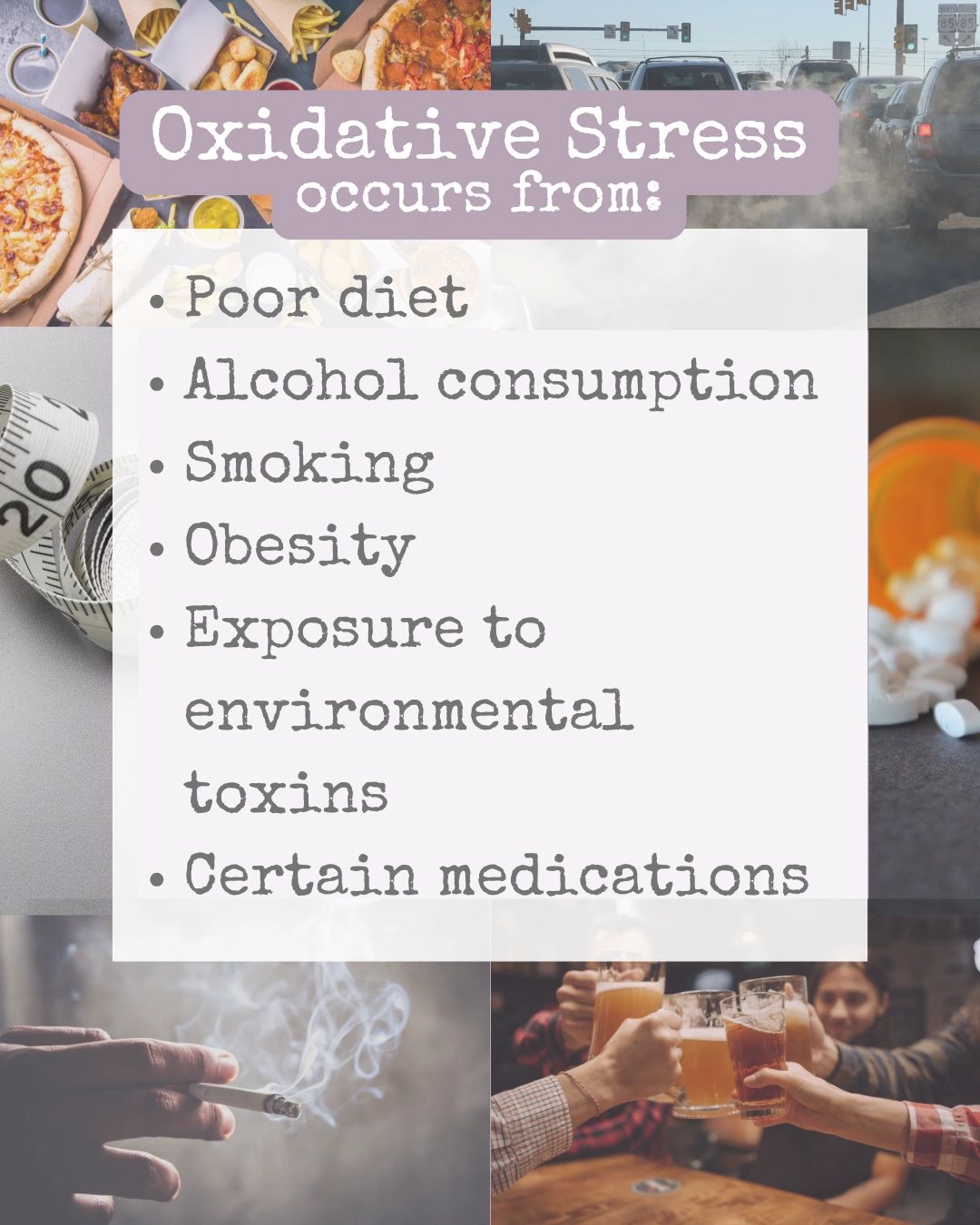
hyperlipidemia. As if that’s not enough, research shows curcumin’s aid in exercise-induced inflammation and muscle soreness, gut health, and sleep support.
Curcumin promotes blood circulation and utilizes its anti-inflammatory compounds by modulating the body’s inflammatory signaling pathways. This effect supports the immune system and promotes better sleep, aids gut health and digestion, helps with joint pain and arthritis, and can positively affect brain function and memory support.
How to Get the Most Out of Curcumin
Because curcumin has poor bioavailability, meaning it is poorly absorbed into the body on its own, it needs a little something extra to help it along. Generally, the most common is black pepper. Yes, a dash of black pepper helps your body absorb curcumin! Healthy fats have also been shown to increase absorption.
Increasing absorption of curcumin is crucial to getting health benefits from it. When making Creamy Coconut Golden Milk, try to find coconut milk with a high-fat content (or use coconut cream) and add a dash of black pepper to maximize absorption.
Special Considerations
As with all things good, some things must be noted before consuming curcumin regularly. It can thin the blood, so it is not ideal for anyone taking blood thinners. Although curcumin can aid in gut health, it can cause digestive discomfort in some. There have been some concerns for pregnant women; as always, please consult your healthcare provider before taking curcumin.
Culinary amounts of turmeric are generally recognized as safe; however, there are some things to remember before diving in.
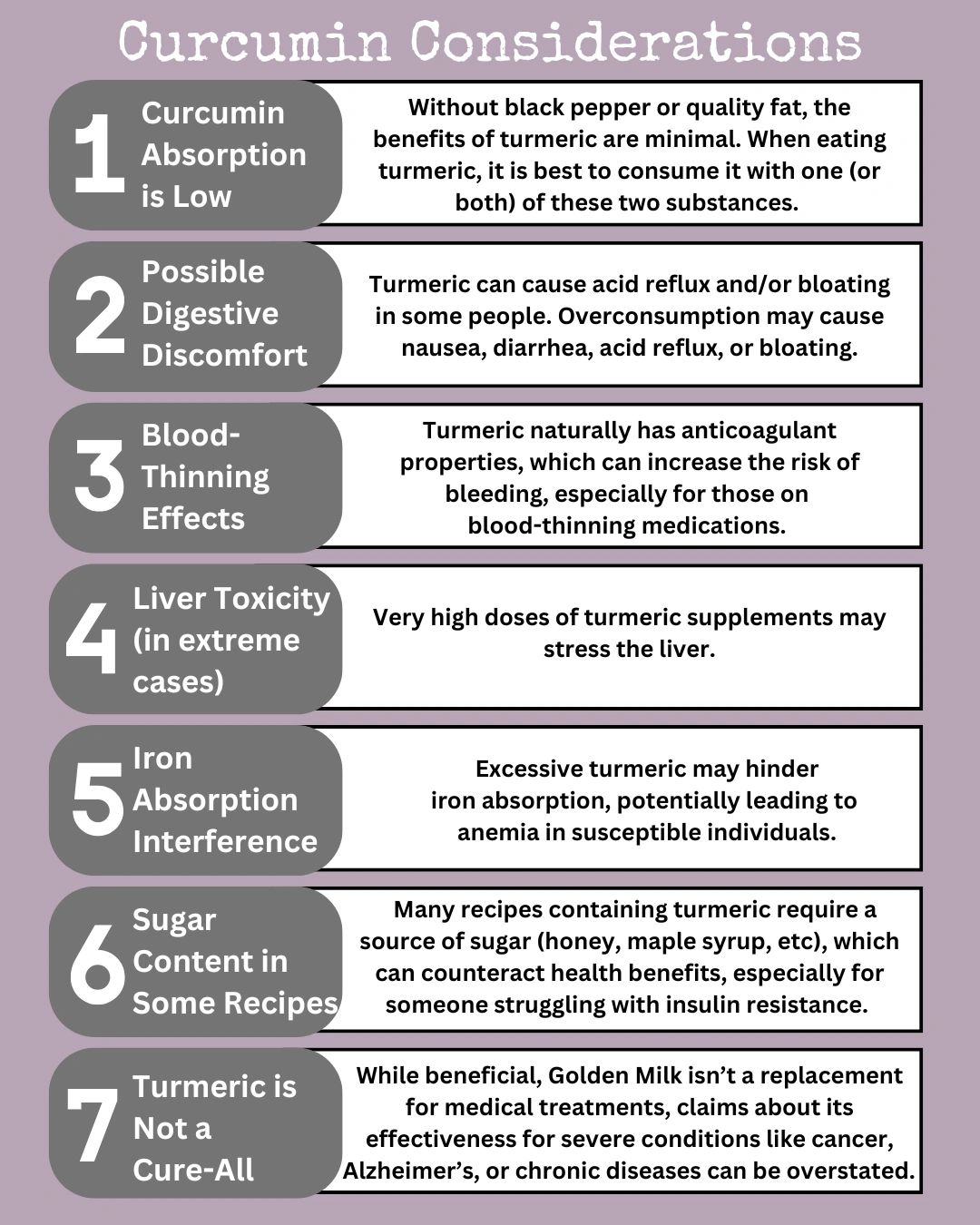
Please Note: Overconsumption of turmeric generally refers to exceeding the recommended daily intake, which can lead to adverse effects. While there is no universally agreed-upon maximum dose, studies suggest that 1,500mg (1.5g) of curcumin daily is a safe upper limit for most people. Consuming ½ to 1 teaspoon of turmeric daily in food or drinks is generally safe and beneficial. However, if you are considering turmeric supplements or higher doses for therapeutic purposes, it is recommended to consult a healthcare provider.
Health Benefits of Golden Milk – What About all the Other Ingredients?
Okay, so we know a lot about curcumin now, but what about Golden Milk?! There are 5 ingredients in the recipe above! Here is a bulleted list of the benefits of Golden Milk in all its glory.
Coconut Milk: The Medium Chain Triglycerides (MCTs) in coconut milk are fats that the body easily absorbs, resulting in a quick energy source. The burning of these MCTs increases the body’s metabolic rate. Due to its lauric acid content, coconut milk has antiprotozoal and antibacterial properties.
Cinnamon: A spice that comes from the bark of evergreen trees, cinnamon has been reported to be beneficial in cases of asthma, arthritis, and blood sugar regulation. The healing properties of cinnamon come from three compounds in its essential oils found in the bark (cinnamaldehyde, cinnamyl acetate, and cinnamyl alcohol).
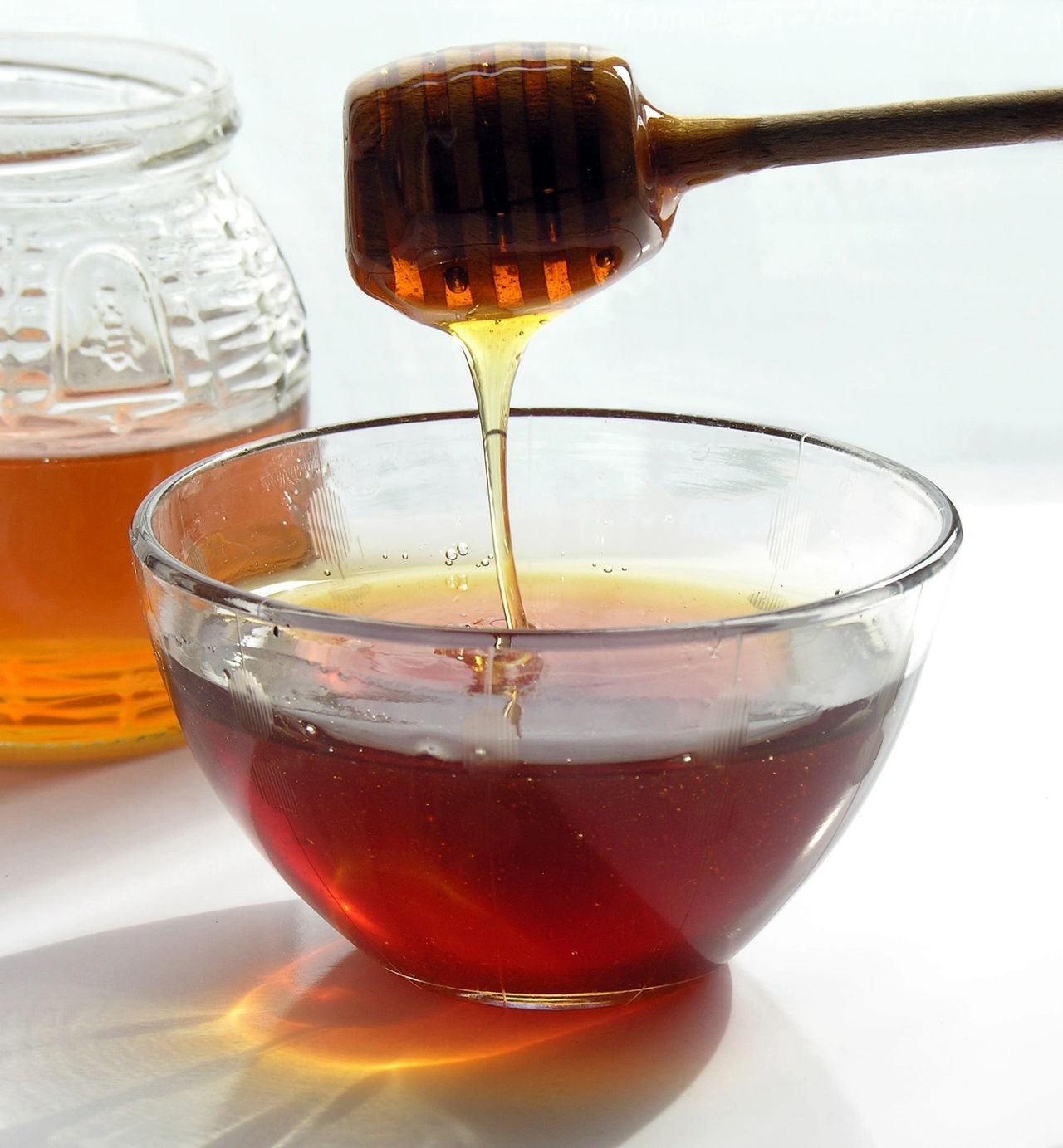
Honey: A strong source of riboflavin (Vitamin B2) and pyridoxine (Vitamin B6), as well as iron and manganese, honey provides a quick energy source, antioxidant effects, and wound healing properties. It has been known to help maintain optimal blood sugar ranges when combined with protein, improve blood antioxidant levels, and aid in healing burns, ulcers, and wounds.
Vanilla Extract: Vanilla contains vanillin, the flavor and fragrance compound found in vanilla pods. This unassuming characteristic of vanilla has been found to have anticancerous, anti-inflammatory, antimicrobial, antioxidant, antiviral, nephroprotective, and neuroprotective properties.
More Food for Thought (Pun Intended)
1. How to Maximize Benefits of Golden Milk Without Overdoing It
- Ideal dosage: ½–1 teaspoon turmeric per serving is enough (too much can cause nausea or dizziness).
- Best taken consistently for long-term benefits rather than as a one-time remedy.
2. How to Make It Taste Better Without Losing Benefits
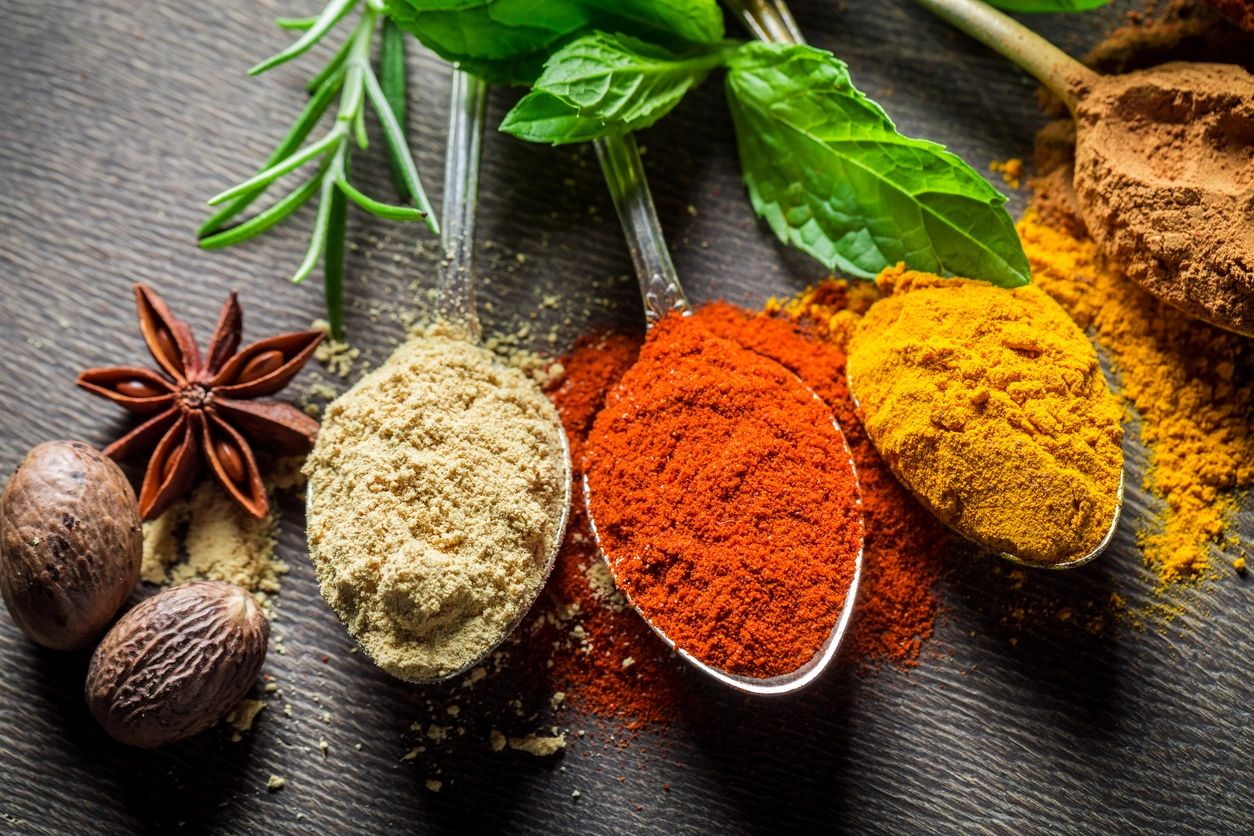
- Many find it too earthy or bitter; adding vanilla, cardamom, cinnamon, or nutmeg improves the flavor.
- Pre-mixing spices into a paste (turmeric, ginger, cinnamon, black pepper, coconut oil) can
help with consistency.
3. The Right Milk Alternative Matters
- Coconut milk or cashew milk are better choices because they contain enough fat to help with curcumin absorption.
- Look for ingredients that contain the plant of choice, water, and perhaps sea salt. There should be nothing else in these alternative milk options. The fun part is that you can add your own spices and sweeteners for flavoring!
4. When NOT to Drink It
- Before surgery (due to blood-thinning properties).
- If you have gallbladder issues (turmeric can worsen gallstones).
- If you have low blood pressure, as turmeric can further lower it.
5. Traditional vs. Modern Golden Milk
- Traditional Ayurvedic recipes use raw turmeric root, while modern versions use powdered turmeric.
- Traditional methods involve slow simmering for enhanced benefits.
6. Quality of ALL Ingredients Matters
- Any ingredient above will have different concentrations of nutrients, depending on its quality and source.
Now that you know all of the amazing benefits of Creamy Coconut Golden Milk and its various ingredients, I hope you will give my recipe a try. Let me know what you think by sending me a message!
References
Anand, Preetha et al. “Bioavailability of Curcumin: Problems and Promises – PubMed.” PubMed. N.p., Nov. 2007. Web. 6 Feb. 2025.
Arya, Sagar S et al. “Vanillin: A Review on the Therapeutic Prospects of a Popular Flavouring Molecule – PMC.” PMC Home. N.p., 7 Jan. 2021. Web. 12 Feb. 2025.
Chainani-Wu, Nita. “Safety and Anti-Inflammatory Activity of Curcumin: A Component of Tumeric (Curcuma Longa).” The Journal of Alternative and Complementary Medicine (2004): n. pag. Web. 6 Feb. 2025.
“Curcumin | Linus Pauling Institute | Oregon State University.” Linus Pauling Institute. N.p., 28 Apr. 2014. Web. 9 Feb. 2025.
Gupta, Subash C, Sridevi Patchva, and Bharat B Aggarwal. “Therapeutic Roles of Curcumin: Lessons Learned from Clinical Trials.” AAPS Journal(2013): n. pag. Web. 6 Feb. 2025.
Hills, Jenny. “Does Cooking Really Destroy the Health Properties of Turmeric?” Healthy and Natural World. N.p., 1 July 2023. Web. 6 Feb. 2025.
Kocaadam, Betül, and Nevin Şanlier. “Curcumin, an Active Component of Turmeric (Curcuma Longa), and Its Effects on Health – PubMed.” PubMed. N.p., 2 Sept. 2017. Web. 6 Feb. 2025.
Murray, Michael T., and Joseph Pizzorno. The Encyclopedia of Healing Foods. Simon and Schuster, 2010. Print.
Murray, Michael T., and Joseph Pizzorno.The Encyclopedia of Natural Medicine Third Edition. Simon and Schuster, 2012. Print.
Peng, Ying et al. “Anti-Inflammatory Effects of Curcumin in the Inflammatory Diseases: Status, Limitations and Countermeasures – PMC.” PubMed Central. N.p., 2 Nov. 2021. Web. 8 Feb. 2025.
Restivo, Jenette. “Turmeric Benefits: A Look at the Evidence – Harvard Health.” Harvard Health. N.p., 22 Mar. 2024. Web. 17 Feb. 2025.
Hewlings, Susan J, and Douglas S Kalman. “Curcumin: A Review of Its Effects on Human Health.” Foods (Basel, Switzerland) vol. 6,10 92. 22 Oct. 2017, doi:10.3390/foods6100092
Luo, Haiyan et al. “Impact of excipient emulsions made from different types of oils on the bioavailability and metabolism of curcumin in gastrointestinal tract.” Food chemistry vol. 370 (2022): 130980. doi:10.1016/j.foodchem.2021.130980
Shoba, G et al. “Influence of piperine on the pharmacokinetics of curcumin in animals and human volunteers.” Planta medica vol. 64,4 (1998): 353-6. doi:10.1055/s-2006-957450
Zou, Liqiang et al. “Utilizing food matrix effects to enhance nutraceutical bioavailability: increase of curcumin bioaccessibility using excipient emulsions.” Journal of agricultural and food chemistry vol. 63,7 (2015): 2052-62. doi:10.1021/jf506149f
Prasad, Sahdeo, and Bharat B. Aggarwal. “Turmeric, the Golden Spice: From Traditional Medicine to Modern Medicine.” Herbal Medicine: Biomolecular and Clinical Aspects, edited by Iris F. F. Benzie et. al., 2nd ed., CRC Press/Taylor & Francis, 2011.