
A Functional Medicine Approach to Supporting Your Body’s Own GLP-1 Production
Have you ever noticed how some people seem to maintain a healthy weight effortlessly and have vibrant energy throughout the day? The secret to their success may lie in a remarkable hormone known as GLP-1, or glucagon-like peptide-1. This hormone is produced in the lining of the small intestine and colon. Among its various functions, GLP-1 helps regulate blood sugar levels, promotes feelings of fullness, stimulates insulin release, and supports weight loss.
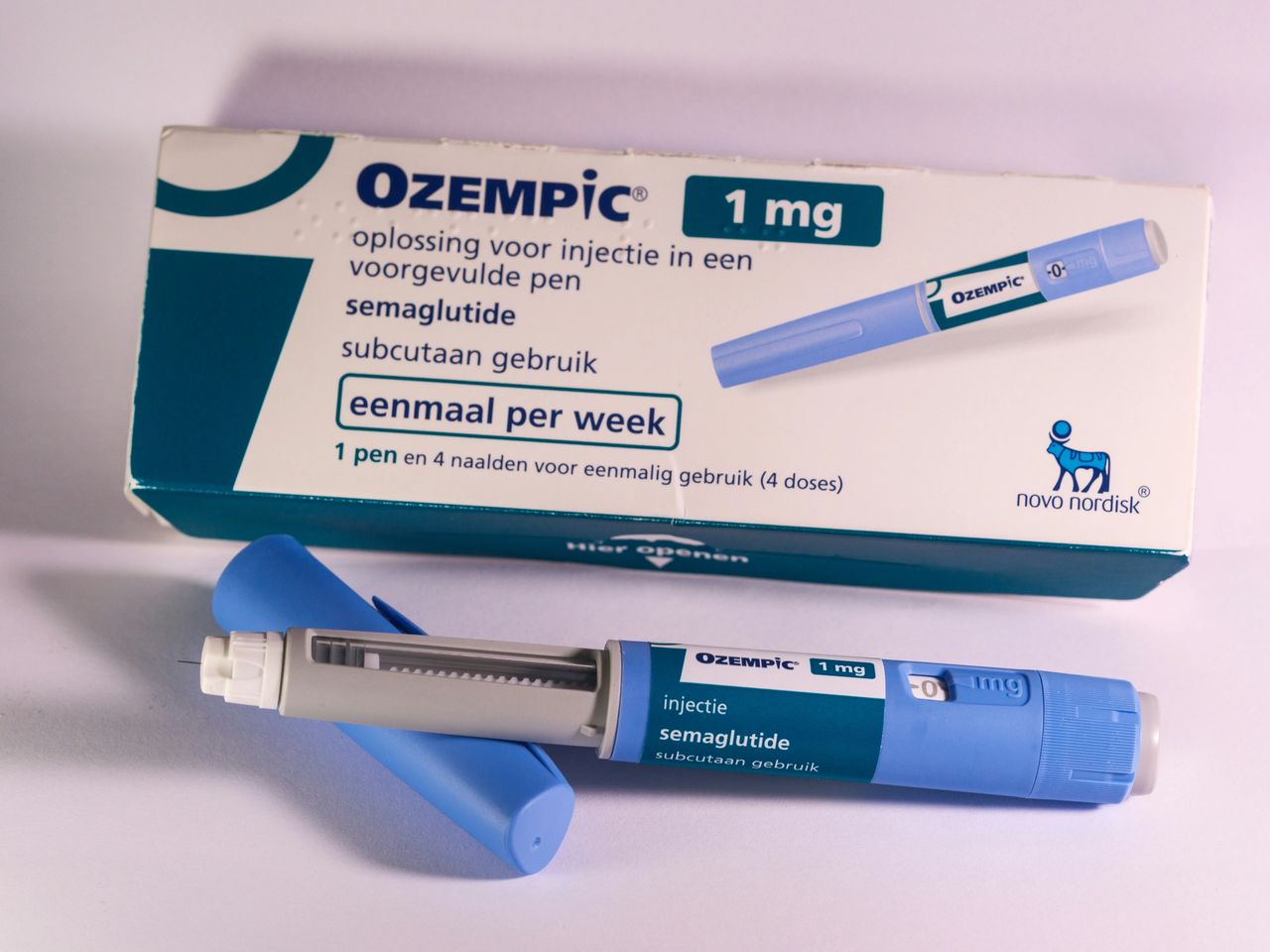
This is the very same one that’s gaining attention through those popular weight-loss shots, which mimic the way GLP-1 works in the body. But here’s the empowering truth: your body has the incredible ability to produce this game-changing hormone naturally! Together, let’s explore how you can unlock its full potential and transform your well-being.
The Hidden Superpower in Your Gut
Imagine your digestive system as a sophisticated smartphone, constantly communicating with your brain about your hunger, fullness, and energy needs. At the heart of this communication is GLP-1, like a premium messaging app that ensures these important messages are delivered perfectly. When GLP-1 is functioning at its best, it empowers you to:
- Feel satisfied even with smaller portions
- Maintain stable blood sugar levels, giving you peace of mind
- Reduce cravings for sugary foods that can derail your goals
- Support a healthy metabolism to fuel your active lifestyle
- Enjoy sustained energy throughout the day, so you can tackle every challenge with vigor
GLP-1, a remarkable 30-amino acid peptide hormone, is produced in special cells within your intestine (Holst). It’s released in response to what you eat, playing a vital role in regulating blood glucose levels, fat metabolism, and other essential functions that keep you thriving (Zheng et. al). Embracing this understanding can inspire you to nurture your body and make empowered choices. You have the potential to live vibrantly and healthily—let GLP-1 guide you on that journey!
Your Natural GLP-1 Boosting Blueprint
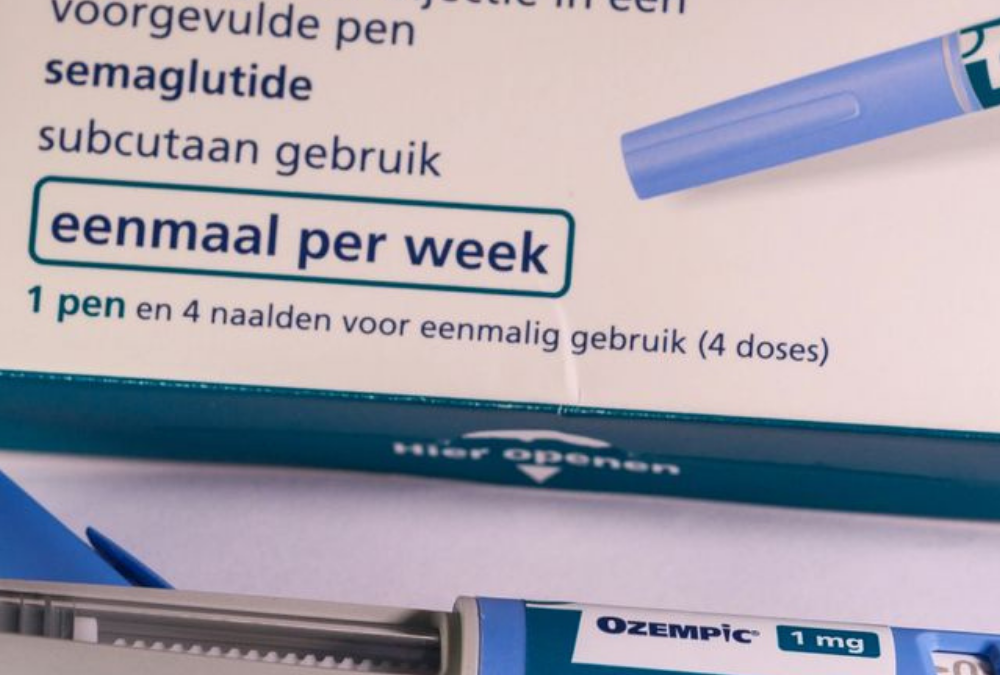
Here’s where things get truly exciting! Medications like Ozempic can definitely provide support by introducing synthetic GLP-1 into your system. However, it’s empowering to know that you have the ability to take charge of your health through certain lifestyle practices that can boost your body’s natural GLP-1 production. Imagine it as a journey of fine-tuning your body’s internal software and unlocking its full potential rather than simply relying on an external solution. You have the power to create meaningful change in your life, and every small step counts towards a healthier future!
The Power Plate Method: Foods to Impact GLP-1 Levels
Some studies indicate that specific foods can positively influence GLP-1 levels, and that’s exciting news for anyone looking to enhance their health!
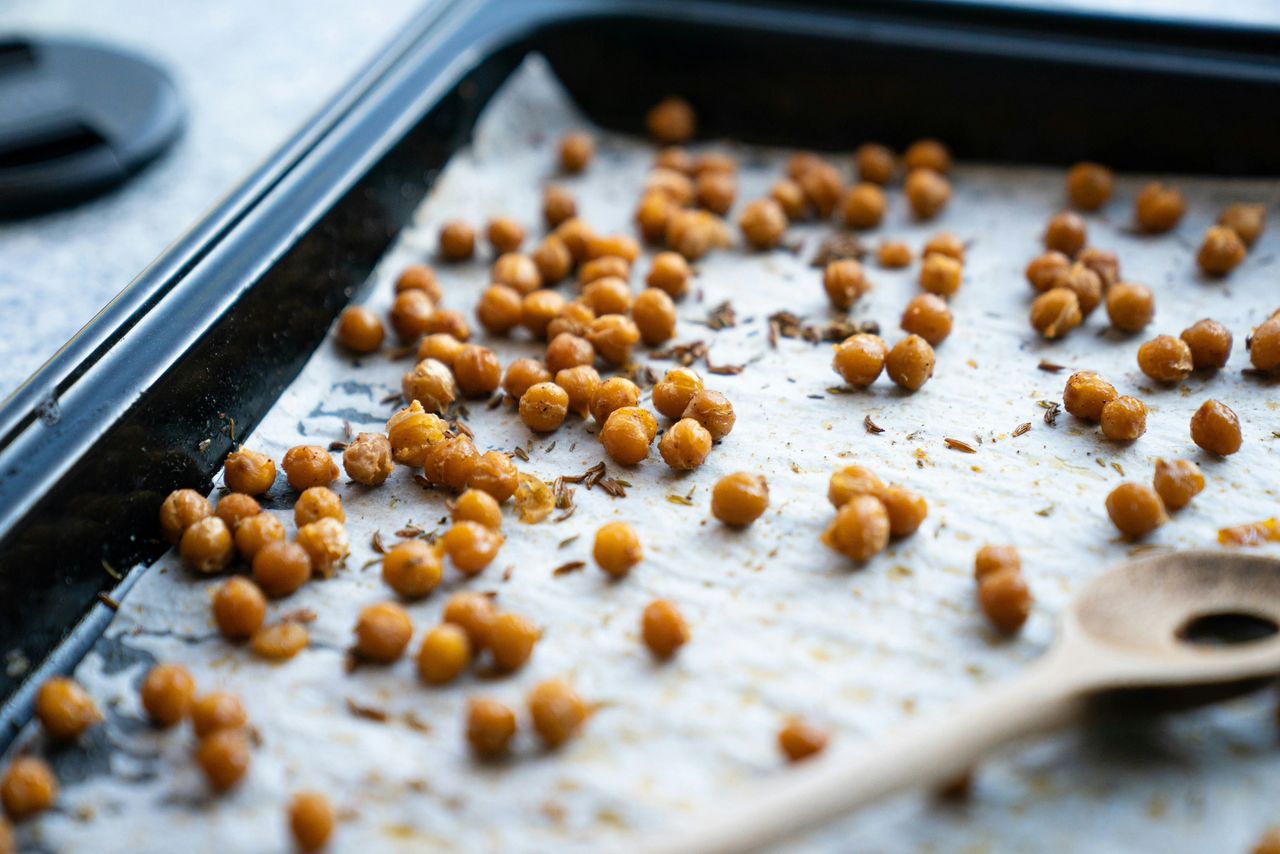
Plant Power for Protein: Picture your body as a GLP-1 factory, ready to produce optimal levels when given the right resources. Incorporating more plant-based proteins—like lentils, chickpeas, and peas—can significantly ramp up your factory’s output. For instance, enjoying a hearty bowl of lentil soup could ignite your GLP-1 production far more than a traditional chicken breast. Embrace the power of plants, and you’ll likely feel the benefits!
The Healthy Fats Advantage: Think of fats as the fuel that drives your GLP-1 factory. Unsaturated fats, such as those found in olive oil, avocados, and nuts, are like premium fuel that can supercharge your GLP-1 production. By drizzling olive oil on your salad or enjoying a handful of almonds (Beysen et. al.), you’re investing in your body’s ability to thrive. It’s a simple yet profound way to support your health in everyday choices.
Supportive Sweeteners: The landscape of nutrition is evolving, with scientists uncovering fascinating ingredients that might just be the GLP-1 superstars of the future. Substances like resistant maltodextrin (a unique type of fiber) and D-allulose (a rare sugar) are promising in preliminary studies.
While more research is needed to understand their full potential in humans, they could soon play roles in specially crafted foods or supplements—keeping an eye on these innovations could be a game-changer.
*Remember, while these food choices can be incredibly supportive, they are part of a broader picture. Embracing a balanced diet, engaging in regular exercise, and nurturing an overall healthy lifestyle are vital for your body’s natural GLP-1 production. You have the power to make choices that elevate your health and well-being, so inspire yourself to take these small steps toward a vibrant future!
Timing Matters: When, How Often, and How Consistently You Eat Impacts GLP-1 in Your Gut
Just as your favorite coffee shop experiences bustling peak hours, your body has its own optimal times for GLP-1 production. This remarkable hormone is released in response to the food you consume, which means that syncing your eating schedule with your body’s natural rhythm can truly enhance its benefits (Holst). Embracing this knowledge empowers you to take charge of your health and well-being. By recognizing and honoring these peak times, you can unlock your potential for better energy and balance in your life. Let’s embark on this journey together and make the most of your body’s natural rhythms!
1. Meal Frequency and Spacing:
Your body releases GLP-1 when food enters your digestive system. Some research suggests that eating 3 well-spaced meals might be more beneficial for GLP-1 release than frequent snacking. Try to allow 4-5 hours between meals. This gives your body time to process each meal fully and may lead to more significant GLP-1 spikes with each eating occasion.
2. Circadian Rhythm Alignment:
Your body’s internal clock, or circadian rhythm, influences hormone production, including GLP-1. Some studies indicate that eating earlier in the day may lead to better GLP-1 responses. For example, having a larger breakfast and lunch, with a lighter dinner, might be beneficial.
3. Time-Restricted Eating:
Embracing an eating window of 8-12 hours each day—for example, enjoying your meals between 8 AM and 6 PM—can truly align your lifestyle with your body’s natural rhythms. This simple yet powerful approach not only allows your digestive system ample time to rest overnight but also cultivates a healthier relationship with food. Research indicates that this practice might enhance GLP-1 sensitivity, which can be a game-changer for your well-being. You have the ability to transform your eating habits into a source of strength and vitality. Begin this journey confidently, knowing that each mindful choice brings you closer to a healthier, more balanced life.
4. Consistency is Key:
Establishing a meal routine can truly transform your relationship with food and your body. By eating at roughly the same times each day, you empower your body to anticipate nourishment. This consistency can optimize hormone release, including GLP-1, which plays a vital role in regulating appetite and maintaining energy levels. Embrace this practice not just as a habit but as a step towards a healthier and more balanced life. You’ve got the power to create positive change!
5. The First Meal Matters:
Starting your day with a balanced meal after an overnight fast can powerfully stimulate a significant GLP-1 response. By incorporating protein and fiber into your breakfast, you can not only enhance this effect but also set a positive tone for the rest of your day.

Remember, while the timing of your meals is important, it’s just one aspect of a larger picture. The quality and composition of what you eat, combined with essential lifestyle choices like getting enough sleep and staying active, play crucial roles in achieving optimal hormone balance and metabolic health. You have the ability to make choices that nurture your body and mind. Embrace this journey, and know that every small step you take can lead to meaningful and lasting change.
Breaking Through Your Body’s Resistance to GLP-1 Production in Your Gut
If you’ve been struggling with weight loss despite doing “everything right,” you’re not alone. It’s challenging, and it can feel discouraging at times. But here’s the exciting part: small, intentional changes could be the key to unlocking your body’s natural GLP-1 response and supporting your goals. Embrace this journey with confidence—together, we can find the adjustments that resonate with your unique path and help you achieve the success you deserve!
1. Get Moving
Studies show that both single exercise sessions and consistent long-term training can enhance GLP-1 levels in those managing type 2 diabetes. This is an encouraging reminder that each step you take—whether through a single workout or a committed fitness journey—can have a positive impact on your health. Embracing exercise not only strengthens your body but also empowers you to take control of your well-being. You have the ability to make a difference in your life, and every bit of effort counts. 

2. Stress Less, Signal Better
Embrace the power of daily meditation or deep breathing; it’s a transformative practice that can center your mind and rejuvenate your spirit. Integrating gentle movement, like stretching, into your routine will not only enhance your physical well-being but also foster a sense of relaxation and refreshment. Make it a priority to spend quality time in nature, allowing its beauty and tranquility to inspire and ground you. Remember, these small yet impactful actions can lead you toward a more balanced and enriching life.
3. Prioritize Sleep
To truly thrive, aim for 7-9 hours of restful sleep each night in a cool, dark room. Prioritize establishing a consistent bedtime routine; this simple shift can transform your nights and improve your days. Remember, limiting blue light exposure after sunset is crucial—it’s an essential step toward allowing your body to unwind. Embrace these practices confidently, knowing that each small change brings you closer to a more vibrant and energetic life.
Additional Supplements to Support Your Success in Weaning Your Body From GLP-1 Medications
Certain nutrients can play a powerful role in helping your body achieve weight loss benefits akin to those provided by GLP-1 medications like Ozempic. As you transition away from GLP-1 medications, embracing a well-structured meal plan becomes crucial for maintaining insulin sensitivity, controlling appetite, and managing your weight effectively.
By combining a healthy diet and consistent exercise with thoughtful supplements like PGX fiber, vitamin D, zinc, and berberine, you empower your body to support glucose regulation and appetite suppression naturally. This approach not only aligns with the mechanisms of GLP-1 medications but also promotes lasting success on your journey. Remember, you have the ability to create a supportive environment for your health and well-being. Stay committed, and watch yourself thrive!
The Beauty of A Holistic Approach to Increasing GLP-1 Production in Your Gut
While GLP-1 meds like Ozempic have shown significant and consistent results in clinical trials and certainly have their place, there’s another powerful avenue to explore: unleashing your body’s natural GLP-1 potential through intentional lifestyle changes (Astrup). By nurturing the gut-brain connection with a focus on wholesome food, regular exercise, quality sleep, and effective stress management, you aren’t just targeting one hormone. Instead, you’re taking a holistic approach to support your entire metabolic system. Embrace this journey with confidence and compassion for yourself, knowing that every positive change you make can lead to invaluable health benefits and a greater sense of well-being.
Embrace the fact that every body is uniquely designed, and it’s important to recognize that what benefits one person might require some tweaks for another. Begin your journey with one or two impactful changes that truly resonate with you, and gradually cultivate a personalized health optimization routine that aligns with your needs. Trust in your body’s remarkable ability to heal and find balance; sometimes, all it needs is a gentle nudge in the right direction. You have the power to take charge of your health and create lasting positive change.
Are you currently on Ozempic or considering Ozempic in harnessing your body’s ability to produce GLP-1 naturally? Schedule a consultation with Danielle Puno today.
*Links to some items in this article are affiliate links. We may earn a small commission at no extra cost to you for items purchased through these links. To see all GLP-1 supportive supplements mentioned above in one place, use this link. (This link to Fullscript will require an account just to view the items, however, it may offer a higher discount to you. Creating an acocunt through this Fullscript dispensary is separate from sigining up for nutrition services with us.)
References
“Boosting GLP-1 by Natural Products – PubMed.” PubMed, https://pubmed.ncbi.nlm.nih.gov/34981502/. Accessed 10 Mar. 2025.
E Lang, Undine, et al. “Nutritional Aspects of Depression – PubMed.” PubMed, https://pubmed.ncbi.nlm.nih.gov/26402520/. Accessed 10 Mar. 2025.
Flottman, Dr. “Understanding GLP-1 Function: A Comprehensive Guide to Its Role in Metabolism and Health – Bmi Doctors.” Bmi Doctors, https://www.facebook.com/bmidoctors1, 21 Oct. 2024, https://bmidoctors.com/understanding-glp-1-function-a-comprehensive-guide-to-its-role-in-metabolism-and-health/#elementor-toc__heading-anchor-3.
Grover, Gary J., et al. “Effects of the Soluble Fiber Complex PolyGlycopleX® (PGX®) on Glycemic Control, Insulin Secretion, and GLP-1 Levels in Zucker Diabetic Rats – PubMed.” PubMed, https://pubmed.ncbi.nlm.nih.gov/21115020/.Accessed 10 Mar. 2025.
Nauck, M.A. “Glucagon-like Peptide 1 (GLP-1): A Potent Gut Hormone with a Possible Therapeutic Perspective – PubMed.” PubMed, https://pubmed.ncbi.nlm.nih.gov/9840447/#:~:text=Affiliation-,1,inactive%20or%20even%20antagonistic%20fragment. Accessed 10 Mar. 2025.
Yaribeygi, Habib, et al. “Boosting GLP-1 by Natural Products – PubMed.” PubMed, https://pubmed.ncbi.nlm.nih.gov/34981502/. Accessed 10 Mar. 2025.
Nauck, M A. “Glucagon-like Peptide 1 (GLP-1): A Potent Gut Hormone with a Possible Therapeutic Perspective – PubMed.” PubMed, https://pubmed.ncbi.nlm.nih.gov/9840447/#:~:text=Affiliation-,1,inactive%20or%20even%20antagonistic%20fragment. Accessed 10 Mar. 2025.
Holst, J. J. (2007). The physiology of glucagon-like peptide 1. Physiological Reviews, 87(4), 1409–1439. https://pubmed.ncbi.nlm.nih.gov/17928588/
Zheng, Z., Zong, Y., Ma, Y., Tian, Y., Pang, Y., Zhang, C., & Gao, J. (2024). Glucagon-like peptide-1 receptor: Mechanisms and advances in therapy. Signal Transduction and Targeted Therapy, 9, Article 134. https://doi.org/10.1038/s41392-024-01931-z
Beysen, C., Karpe, F., Fielding, B. A., Clark, A., Levy, J. C., & Frayn, K. N. (2002). Interaction between specific fatty acids, GLP-1 and insulin secretion in humans. Diabetologia, 45(11), 1533–1541. https://doi.org/10.1007/s00125-002-0964-9
Astrup, A. (2024). Reflections on the discovery GLP-1 as a satiety hormone leading to the development of semaglutide. European Journal of Clinical Nutrition. Advance online publication. https://doi.org/10.1038/s41430-024-01460-6