Your Genes Are Not Your Destiny

Imagine your genes as a cherished library filled with books you inherited from your ancestors. The stories in those books—your DNA—don’t change, but how do you read them, dog-ear the pages, or even decide which ones to pull off the shelf?
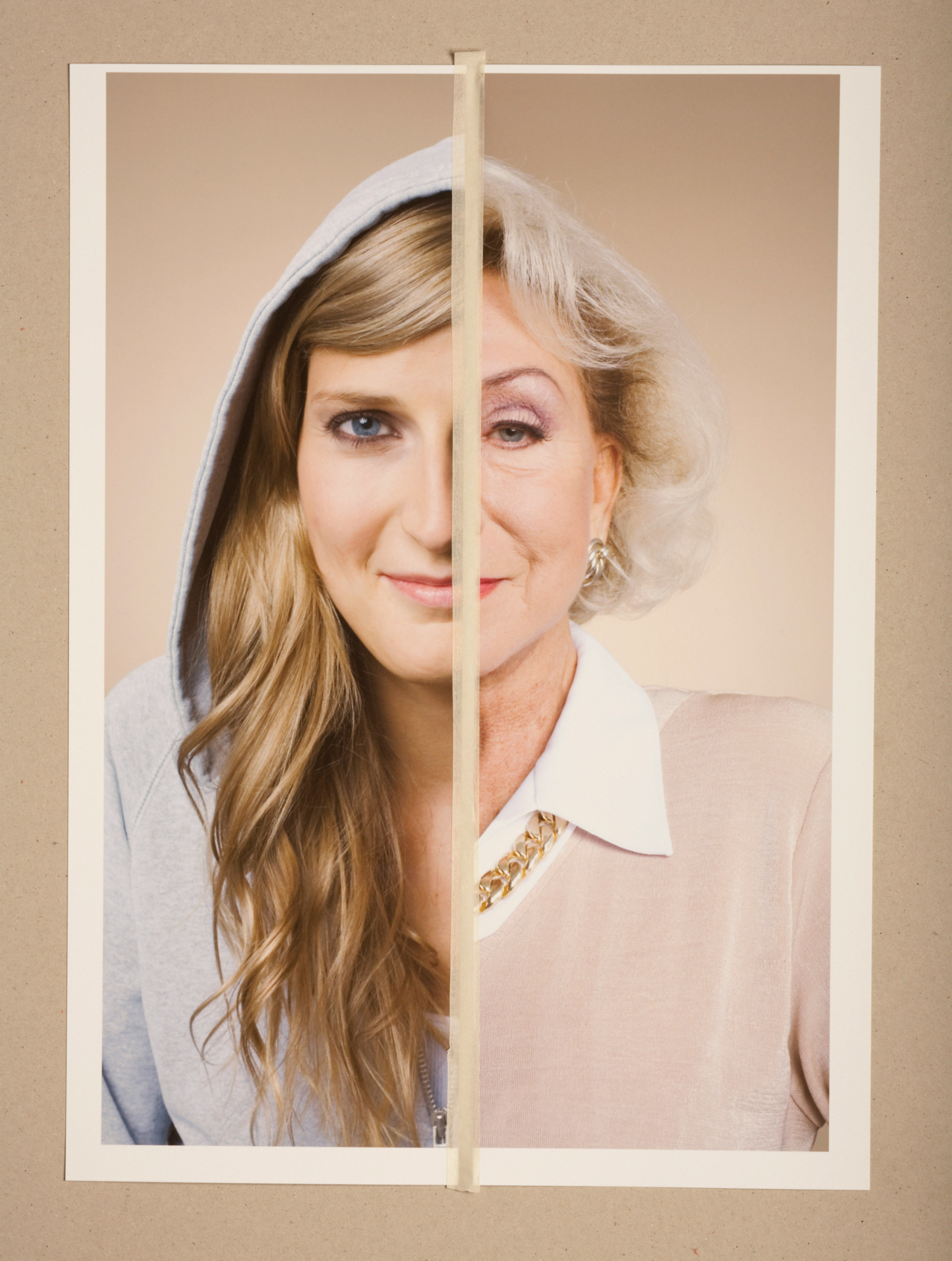
You wield the power to influence your gene expression through your choices, actions, and lifestyle. You have the ability to shape how your genes function, and that’s an incredible opportunity.
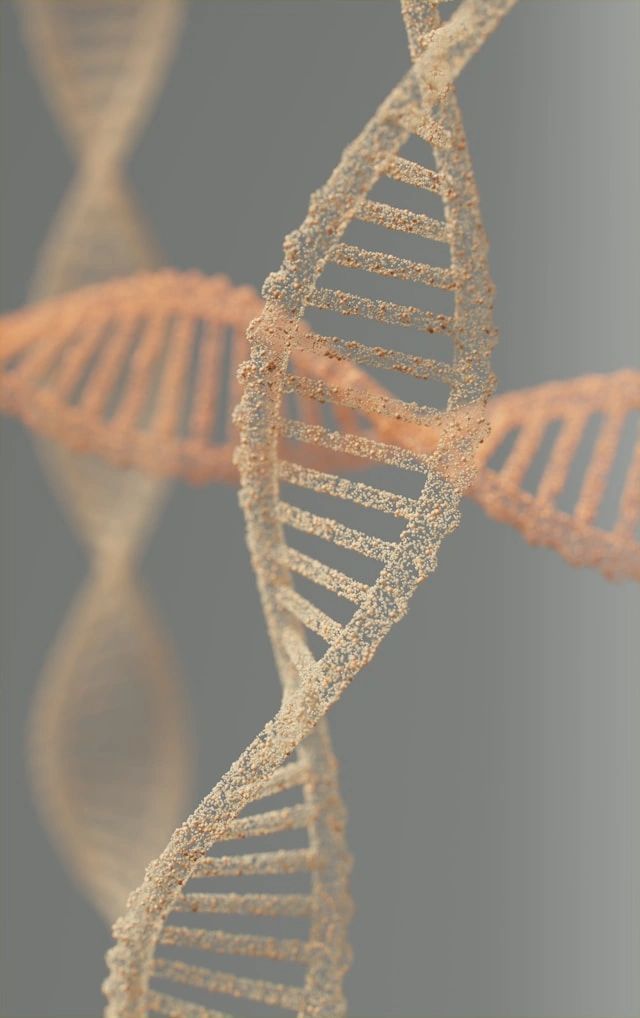
This is the wonder of epigenetics: it reveals how your lifestyle can activate or deactivate certain genes, almost like flipping switches. While aging can sometimes feel like an inevitable journey, research suggests that we can actually rejuvenate ourselves, if only a little, by revitalizing our gene expression. So, are you ready to explore this transformative journey and embrace a sense of youthfulness?
Let’s dive in.
The Science: How Epigenetics Runs the Show
Epigenetics functions like a director of a play; it doesn’t rewrite the script (your DNA), but it does influence how the actors (your genes) perform. Chemical tags, which can be affected by factors such as diet, stress, and sleep, attach to your DNA and dictate its behavior. A landmark study published in Science in 2015 demonstrated that lifestyle choices can alter these tags, thus impacting biological aging markers like telomere length—these are the protective caps on your chromosomes that shorten as we age (Blackburn et al.). Shorter telomeres are associated with faster aging, while longer ones indicate youth. The good news is that you have some control over this process. Scientists estimate that only about 20% of how we age is determined by genetics, while the remaining 80% is influenced by our daily choices (Passarino et al.).
Practical Steps: Lifestyle Hacks to Refresh Your Genes
Are you ready to take charge of your journey? Here are some evidence-backed strategies that can empower you to optimize your gene expression and foster healthy aging. You have the ability to take control of your health, and these practices can support you every step of the way.
1. Eat the Rainbow (and Skip the Junk)
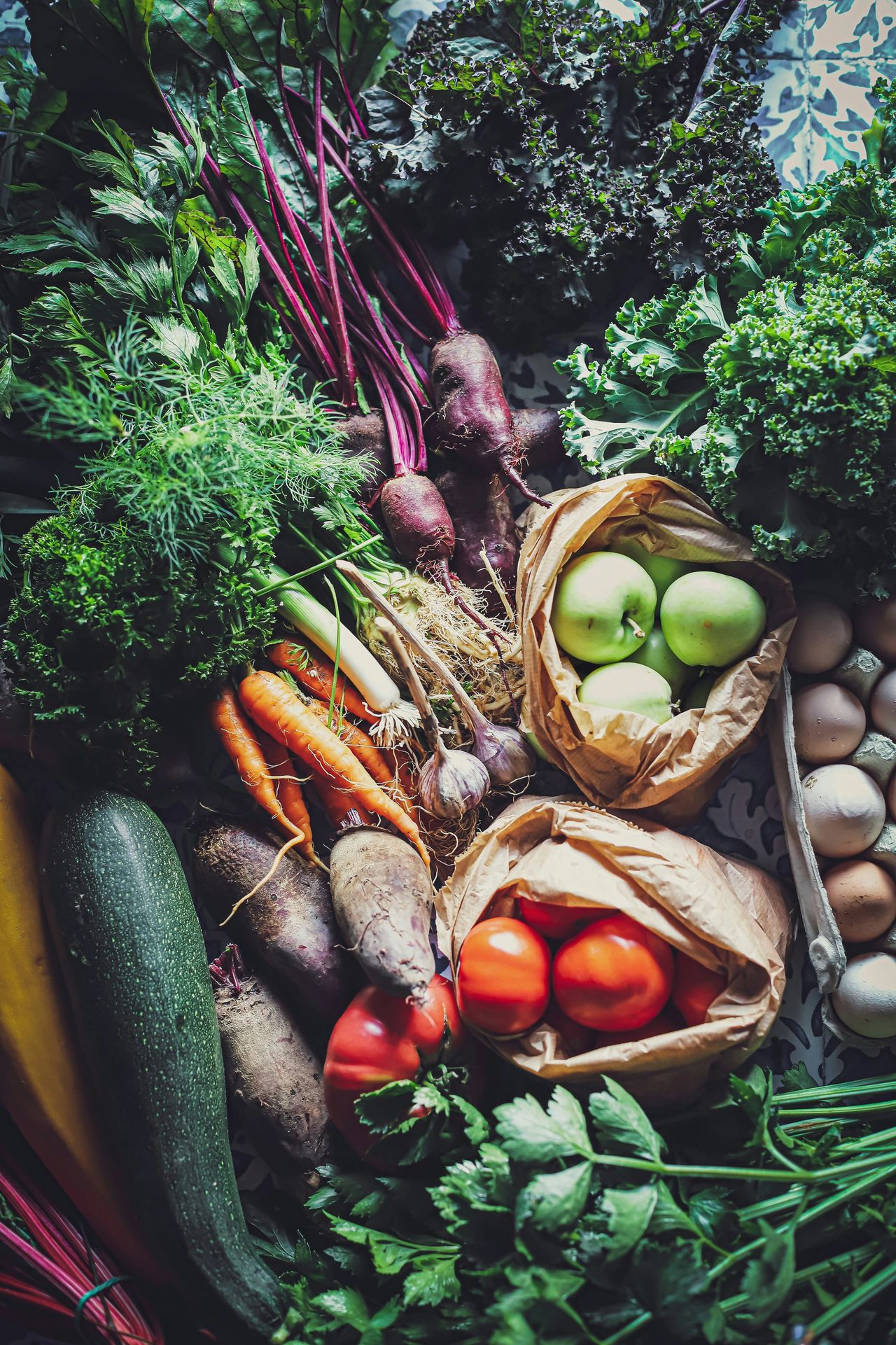
Embracing a diet rich in colorful plants—think vibrant berries, leafy greens, and cruciferous vegetables—can significantly benefit your health. These foods are packed with antioxidants and polyphenols that are crucial in supporting DNA repair. A 2020 study published in Advances in Nutrition showed that adopting a Mediterranean-style eating pattern, focused on whole foods and healthy fats, is associated with longer telomeres, which can contribute to healthier aging (Crous-Bou et al.).
It’s also important to be mindful of what you eliminate from your diet. Stepping away from processed sugars and trans fats is essential, as they can increase inflammation and disrupt gene expression. By making these nourishing choices, you’re not just caring for your body; you’re investing in your overall well-being.
2. Move It or Lose It
Exercise isn’t just about building muscles; it’s a way to nurture our very genes. A compelling study published in 2019 in Sports Medicine revealed that regular physical activity, whether it’s a brisk walk or some strength training, can enhance the enzymes that protect our telomeres. This is a powerful reminder of how our bodies work harmoniously with movement. Aim for just 30 minutes most days—no need for anything elaborate, simply focus on being consistent. Walking around the neighborhood and playing sports with your kids, nieces, or nephews definitely count. Every step you take is a step toward better health!


3. Sleep Like It’s Your Job
It’s truly concerning how poor sleep can impact our health on a deeper level. Research from the Sleep Journal in 2021 highlights that chronic sleep deprivation can accelerate biological aging by disrupting our DNA repair processes (Carroll). It’s a reminder of how essential quality sleep is for our overall well-being. Aim for 7-9 hours of restorative rest each night so your body—and your genes—can truly recharge.
Conclusion: A Holistic Mindset

By embracing these simple, natural steps, you’re not just cleaning up your genetic landscape—you’re investing in a longer, more vibrant version of yourself. I truly believe the potential for a healthier, more energetic future is within your grasp.
Remember, even the smallest changes can lead to significant benefits for your health and aging journey. You’ve got the power to make a positive impact on your life!
What’s your first step going to be?
Let’s start this journey towards a healthier, more vibrant life together! Schedule a complimentary consultation with Danielle Puno today.
References
Blackburn, E. H., Epel, E. S., & Lin, J. (2015). Human telomere biology: A contributory and interactive factor in aging, disease risks, and protection. Science, 350(6265), 1193–1198.https://doi.org/10.1126/science.aab3389
Passarino, G., De Rango, F., & Montesanto, A. (2016). Human longevity: Genetics or lifestyle? It takes two to tango. Immunity & Ageing, 13(1), Article 12. https://doi.org/10.1186/s12979-016-0066-z
Crous-Bou, M., Molinuevo, J.-L., & Sala-Vila, A. (2019). Plant-rich dietary patterns, plant foods and nutrients, and telomere length. Advances in Nutrition, 10(Suppl_4), S296–S303.https://doi.org/10.1093/advances/nmz026
Werner, C. M., Hecksteden, A., Morsch, A., Zundler, J., Wegmann, M., Kratzsch, J., Thiery, J., Hohl, M., Bittenbring, J. T., Neumann, F., Böhm, M., Meyer, T., & Laufs, U. (2019). Differential effects of endurance, interval, and resistance training on telomerase activity and telomere length in a randomized, controlled study. European Heart Journal, 40(1), 34–46.https://doi.org/10.1093/eurheartj/ehy585
Carroll, J. E., & Prather, A. A. (2021). Sleep and biological aging: A short review. Current Opinion in Endocrine and Metabolic Research, 18, 159–164. https://doi.org/10.1016/j.coemr.2021.03.021